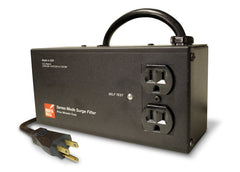
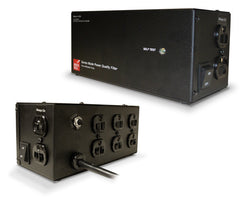
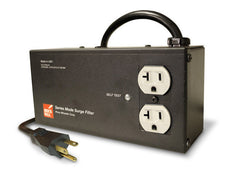
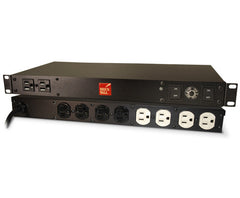
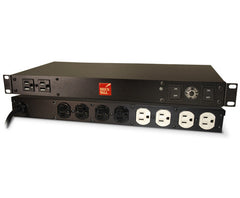
Surge Protectors for Computers/Servers and Other Equipment
Barbarians are at your server’s gate and your equipment's window
 Pity the poor IT professional who sits in dread that the system he is in charge of will fail. That describes nearly 100% of them. Every day brings new challenges in maintaining the IT network and dealing with the people who use it. The last thing an IT pro wants to deal with is the destruction of his or her precious servers due to transient voltage surges. The potential loss of data, time and equipment is enough to make any sane person removes clumps of hair by the fistful. Enter, the Brick Wall.
We didn't forget about protecting your other expensive medical, lab, professional, or personal electronics from surges, lightning strikes, and voltage spikes. If you want to rest assured that your equipment is safe on both reliable and sketchy power sources alike, the Brick Wall models below were designed specifically with you in mind as well.
Brick Wall surge protectors are the very best in the world from reaction time to endurance. These transient voltage surge suppressors were initially conceived and designed for mission critical systems in which failure was not an option. So, it naturally follows that Brick Wall surge protectors can take an absolute beating when it comes to surges while remaining ready to stop the next one.